Mold Prevention in Maine Commercial Spaces: 2026 Summer Cleaning Guide
June in Maine means longer days, tourist traffic—and humidity levels that can climb well past 70%. That combination is exactly what mold and mildew need to take hold in a commercial building. If you’ve ever walked into a bathroom, break room, or storage area and caught that musty smell, you already know what we’re talking about.
The good news: mold doesn’t appear overnight. It grows because surfaces stay damp, cleaning gets skipped, and ventilation isn’t doing its job. A consistent professional cleaning program is one of the most effective tools a Maine business owner has for preventing mold before it becomes a remediation problem.
Here’s what you need to know heading into Maine’s most humid season.
Why Summer Is the High-Risk Season for Maine Businesses
Maine’s summer humidity is no joke. Coastal areas like the Midcoast and Downeast routinely see relative humidity above 75% from June through August. Even inland cities like Bangor and Augusta deal with muggy stretches that can last days.
In a commercial building, that humidity finds its way into:
- Restrooms and locker rooms — high moisture, frequent traffic, hard-to-dry grout
- Break rooms and kitchens — condensation from refrigerators, steam from microwaves, food spills
- HVAC air handlers and ductwork — standing moisture in drain pans, coil surfaces
- Entry mats and carpet near doors — wet shoes and umbrellas create perpetually damp zones
- Storage rooms and janitor closets — low airflow, often neglected
Mold spores are everywhere — they only need three things to grow: moisture, a surface to attach to, and warmth. Remove any one of those, and you stop the problem. Professional cleaning addresses all three on a schedule.
The Cost of Getting It Wrong
Before we get into solutions, let’s be clear about what’s at stake.
For your employees and customers: Mold exposure causes respiratory irritation, headaches, and allergic reactions. The CDC notes that people with asthma or compromised immune systems are especially vulnerable. If a client or employee develops health problems linked to your building’s air quality, you have a liability issue.
For your building: Mold can penetrate drywall, subfloor, and ceiling tiles in as little as 24–48 hours of sustained moisture. A commercial mold remediation project in Maine can run $3,000 to $30,000 depending on scope. Professional cleaning costs a fraction of that.
For your reputation: In a small business community like Bangor or Brewer, word travels. A musty office or restroom tells clients you’re not on top of things — even if everything else is spotless.
5 High-Risk Areas We Focus On Every Summer
1. Restrooms
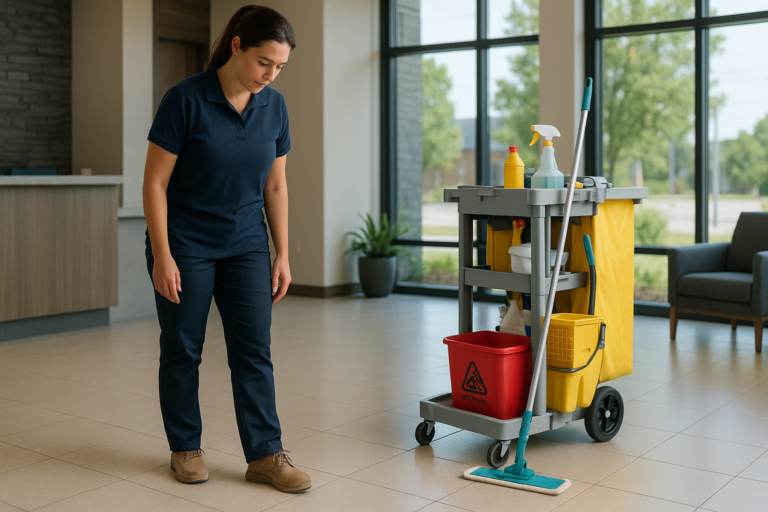
Commercial restrooms are mold’s favorite real estate. Grout lines, caulk around toilet bases, under sink cabinets, and ceiling tiles near exhaust vents are all prime spots. Routine cleaning isn’t enough in summer — you need disinfectants specifically effective against mold-forming bacteria, and grout needs attention that a quick wipe-down won’t provide.
At Clean Scene, our summer restroom protocol includes targeted grout cleaning, underside surfaces on fixtures, and checking exhaust fan functionality on every visit.
2. Break Rooms and Kitchen Areas
Condensation from refrigerators and freezers creates permanent dampness under and behind appliances. Microwaves trap food steam. Sinks with slow drains build up standing water. These aren’t just sanitation issues — they’re mold incubators.
A thorough cleaning rotation addresses behind and beneath appliances, not just visible counter surfaces.
3. Entry Zones and Carpet
Maine summers bring beach sand, morning dew, and afternoon thunderstorms. Every entry point into your building absorbs that moisture. Wet mats that don’t dry between cleanings are a classic mold source that most businesses never think about until the smell appears.
We recommend mat rotation in summer — pulling and drying mats rather than cleaning in place.
4. HVAC Supply and Return Vents
Your cleaning team should be wiping down visible HVAC grilles regularly. Dust buildup on wet coil surfaces is where biological growth starts. While duct cleaning itself is a separate service, keeping vents and grilles clean reduces the load on your system and cuts off one of mold’s primary travel routes.
5. Storage and Utility Rooms
These low-traffic spaces get skipped in routine cleaning more often than anywhere else. But they also tend to have the lowest airflow and the highest humidity accumulation. A scheduled deep-clean rotation that includes these rooms is the difference between catching a problem early and discovering it six months later.
What Professional Commercial Cleaning Does That DIY Doesn’t
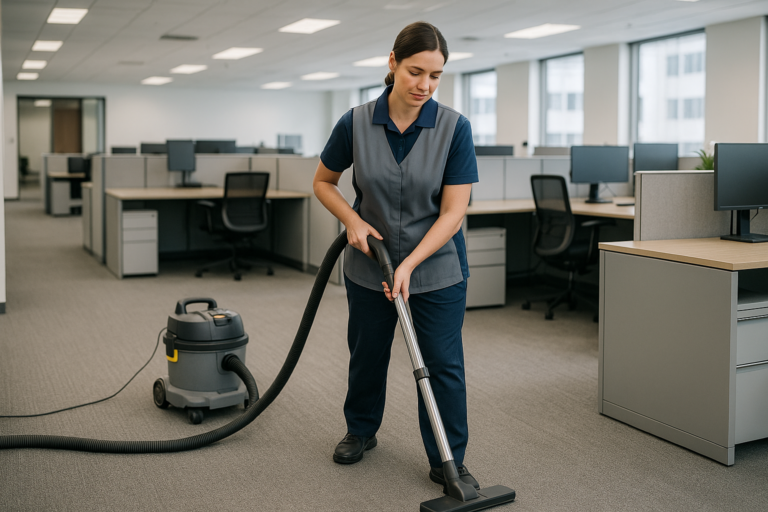
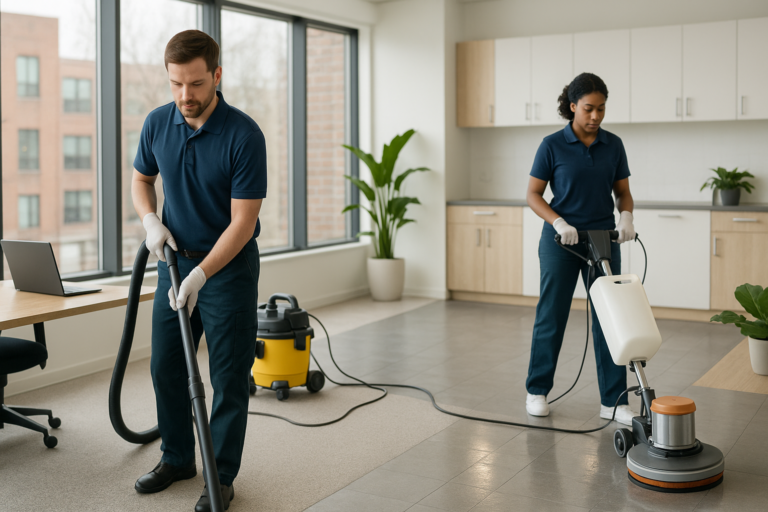
Most businesses with in-house cleaning handle visible surfaces. Professional commercial cleaning handles the full environment — including the surfaces and cycles that casual cleaning misses.
Consistency matters more than intensity. A thorough clean once a month won’t prevent mold the way a regular schedule will. Mold can establish itself in 48 hours of the right conditions. Consistent visits — whether nightly, three times weekly, or weekly — interrupt that cycle before it starts.
Professional-grade products. Commercial disinfectants and EPA-registered mold inhibitors aren’t the same as what you’ll find at a hardware store. We use products rated for the surfaces in your facility — safe for food prep areas, appropriate for healthcare environments, effective against the specific biological risks present in Maine’s humid climate.
Documentation. When we notice a moisture problem — a leaking pipe, an exhaust fan not pulling air, condensation on windows — we flag it. Early detection of the conditions that cause mold is part of what you’re paying for.
How to Know If You Already Have a Problem
Signs of early mold in a commercial space include:
- A musty or “earthy” smell that doesn’t go away after cleaning
- Discoloration on grout, caulk, ceiling tiles, or walls (black, green, gray, or white spots)
- Increased allergy complaints from staff or clients
- Paint bubbling or peeling near windows, bathrooms, or exterior walls
- Condensation regularly appearing on interior surfaces
If you’re seeing any of these, the right first step is a professional walkthrough. We offer free on-site assessments for businesses in the Bangor area — we’ll tell you honestly what we’re seeing and what it would take to address it.
Protecting Your Maine Business This Summer
You can’t control Maine’s humidity. You can control what you do about it.
A professional commercial cleaning program designed for summer conditions isn’t a luxury — it’s basic facilities maintenance. The cost of prevention is predictable. The cost of remediation is not.
If your current cleaning service isn’t talking to you about seasonal risks, that’s worth paying attention to. At Clean Scene, summer is when we get more specific — not less — about what we’re doing and why.
Ready to get ahead of summer moisture issues in your Bangor area facility? Get a free quote or contact us to schedule a walkthrough. We’ve been keeping Maine commercial spaces clean since 2018 — we know what summer does to buildings around here, and we know how to stop it.
Clean Scene Inc. provides professional commercial cleaning services throughout the Bangor, Maine area, including Brewer, Orono, Hampden, Hermon, and surrounding communities. Learn more about our commercial cleaning services.