Running a restaurant in Maine is rewarding — and relentless. Between the summer tourist rush, staffing pressure, and the pace of service, cleaning often gets pushed to the end of the night. Sometimes it gets skipped altogether.
That’s a problem. Maine’s Department of Health and Human Services enforces food safety standards that go well beyond wiping down tables. A failed inspection can mean fines, forced closures, and — in a state where word travels fast — a reputation hit that takes years to recover from.
Here’s what restaurant cleaning standards in Maine actually require, what most operations miss, and how professional cleaning helps you stay compliant and inspection-ready all summer long.
What Maine’s Health Code Actually Requires
Maine follows the FDA Food Code, adopted and enforced by the Maine DHHS. Inspectors focus on several key areas:
- Food contact surfaces must be sanitized after every use — cutting boards, prep tables, slicers, utensils
- Non-food contact surfaces (walls, shelving, equipment exteriors, floors) must be kept clean and in good repair
- Restrooms must be maintained in sanitary condition at all times
- Grease accumulation is a fire hazard and an inspection failure — hoods, vents, and fryers must be regularly cleaned
- Pest prevention is tied directly to cleanliness — gaps in cleaning invite rodents and insects
- Employee handwashing stations must be stocked, accessible, and clean
These aren’t aspirational standards — they’re the minimum. Maine inspectors visit restaurants at least once per year, often unannounced. A surprise inspection mid-summer service is not the time to discover a grease buildup behind your fryers or a walk-in cooler that hasn’t been scrubbed in two months.
5 Areas Maine Restaurants Fail Most Often
Based on FDA Food Code inspection guidelines and common Maine enforcement patterns, these are the spots where food service businesses fall short:
1. Kitchen Exhaust Hoods and Filters
Grease accumulates faster during summer when kitchens run at full capacity. Hoods and filters should be professionally cleaned every 1–3 months depending on volume. This is both a health code requirement and a fire safety issue — grease fires are the leading cause of restaurant fires nationally.
2. Walk-In Coolers and Freezers
Condensation, spills, and food debris build up on shelving, walls, and floors. Walk-ins need deep cleaning monthly — not just a mop when something visibly spills. Inspectors check corners, drain channels, and shelf brackets.
3. Floor Drains
Kitchen floor drains trap grease, food particles, and bacteria. Neglected drains are the #1 source of kitchen odors and a primary pest attractant. They need regular scrubbing and deodorizing — not just hosing down.
4. Behind and Under Equipment
Grease and food debris accumulate under fryers, prep tables, and refrigeration units. Daily cleaning routines rarely reach these spots. Inspectors do.
5. Customer Restrooms
A dirty restroom tells customers everything they need to know about your kitchen — even if your kitchen is spotless. Maine inspectors check restrooms on every visit. Your customers are judging them too, every single day.
What Professional Commercial Cleaning Covers
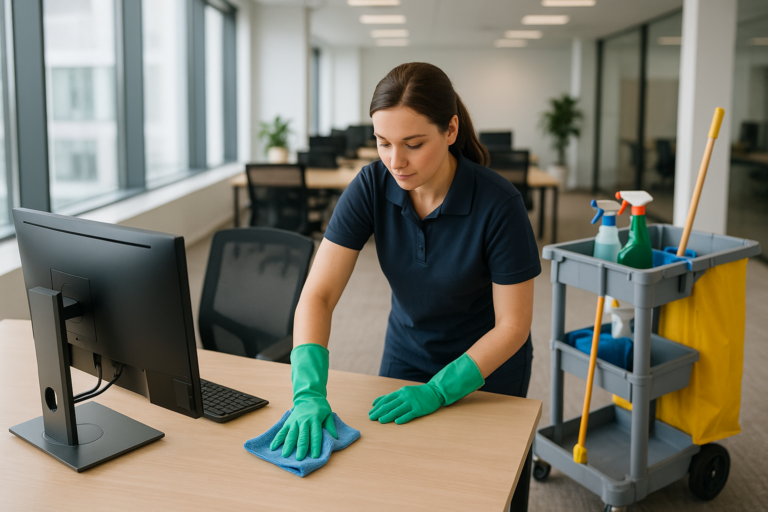
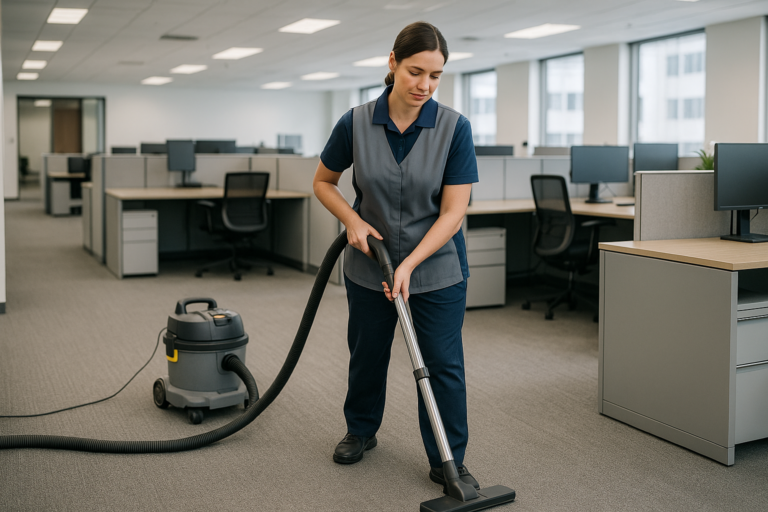
Professional cleaning handles the deep work that your staff doesn’t have time — or equipment — to do consistently. At Clean Scene, our commercial cleaning services for restaurants and food service businesses in Bangor and central Maine include:
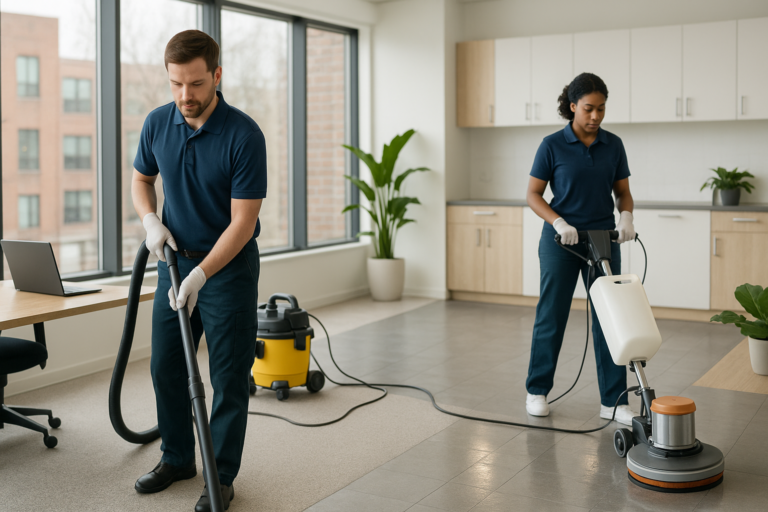
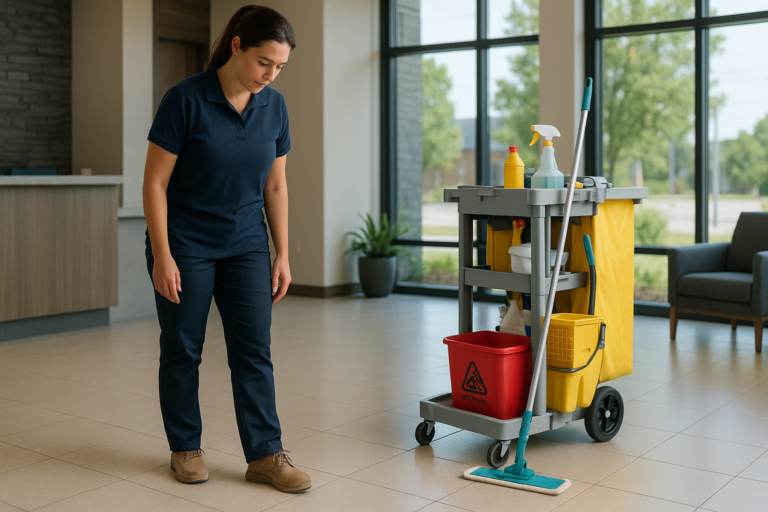
- Floor scrubbing and sanitizing, including grout lines and drain channels
- Full restroom deep cleaning and sanitization
- Surface degreasing — walls, equipment exteriors, backsplashes, and tile
- Trash area and dumpster pad cleaning
- Entrance and window cleaning for front-of-house presentation
- After-hours scheduling so your team walks into a clean kitchen every morning
We don’t perform hood and exhaust vent cleaning (that requires specialized certification), but we handle everything else — and we work around your hours so cleaning never disrupts service.
How Often Should You Schedule Cleaning?
It depends on your volume, but here’s a practical framework for Maine restaurants:
| Service | Frequency |
|---|---|
| Nightly floors + restrooms | Every day of operation |
| Full kitchen deep clean | Weekly or bi-weekly |
| Walk-in cooler scrubdown | Monthly |
| Exterior + dumpster pad | Weekly (daily in peak summer) |
| Entrances and windows | Weekly |
During Maine’s summer tourist season, many restaurants increase their cleaning frequency. More covers means faster buildup. It’s not just about compliance — it’s about maintaining the experience your guests expect when they’re on vacation and making a choice about where to spend their money.
The Business Case: Cleanliness Protects Your Livelihood
A failed inspection in Maine doesn’t just mean paperwork. The real costs compound fast:
- Temporary closure while violations are corrected — that’s revenue gone
- Local media coverage — restaurant inspections are public record and regularly covered by local news
- Online reviews that stick permanently on Google and TripAdvisor
- Lost private events and catering — groups researching venues see your inspection history
Investing in professional cleaning is risk management. The monthly cost of a reliable cleaning schedule is a fraction of a single closure, a bad review cycle, or losing a private dining booking in peak season.
Get Your Restaurant Inspection-Ready This Summer
Clean Scene works with restaurants, cafes, and food service businesses across Bangor and central Maine. We build schedules around your hours, show up reliably, and handle the deep cleaning your team doesn’t have time for — so you can focus on running the kitchen.
Get a free cleaning quote or contact us directly to talk through your specific needs. We’re locally owned, we know Maine’s standards, and we’ll keep your operation ready — whether the inspector shows up tomorrow or in six months.