School’s out, but the clock is already ticking.
Maine schools, daycares, and childcare centers typically open their doors again in late August — just six weeks from now. If you’re a facility manager, school administrator, or childcare director in the Bangor area, mid-July is exactly when you should be thinking about your deep clean. Not August. Not the week before orientation. Now.
Here’s why timing matters — and what a professional commercial cleaning service does differently than your regular janitorial schedule.
Why July Is the Right Month to Book
Summer is the one window when schools and daycares can get the deep cleaning that’s impossible during the school year. No kids underfoot. No schedules to work around. No disruptions to learning.
But that window closes fast. Here’s what typically happens:
- July: The sweet spot — facilities are empty, cleaning crews have availability, there’s time to fix anything that needs follow-up
- Early August: Still workable, but calendar space fills quickly
- Mid-August: Crunch time — crews are booked, prices reflect demand, and there’s zero margin for error
- The week before school: Too late for anything beyond surface cleaning
Commercial cleaning companies serving the Bangor, Brewer, and Old Town areas — including Clean Scene Inc — regularly schedule summer deep cleans for local schools and childcare facilities. July is when our calendar is most flexible. By August, we’re often turning clients away.
Book now. You’ll thank yourself in August.
What a School or Daycare Deep Clean Actually Covers
A back-to-school deep clean is fundamentally different from your weekly janitorial service. This isn’t a quick vacuum-and-trash-run. It’s a systematic, room-by-room restoration of a facility that’s had 180+ days of heavy use.
Classrooms
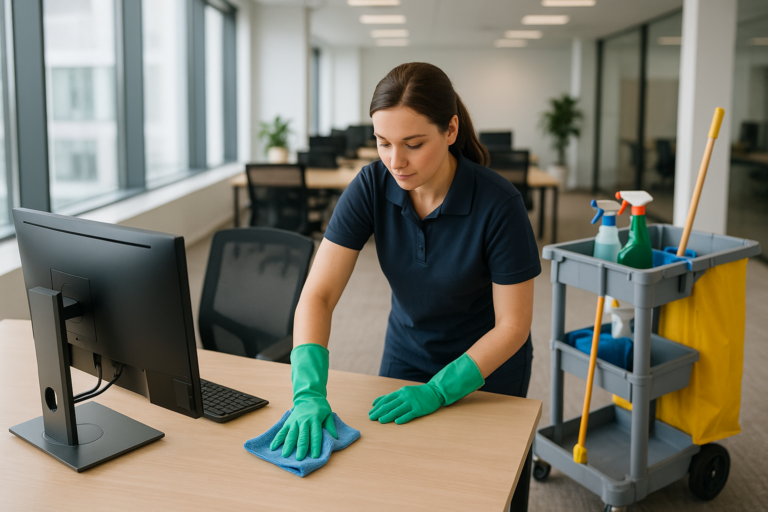
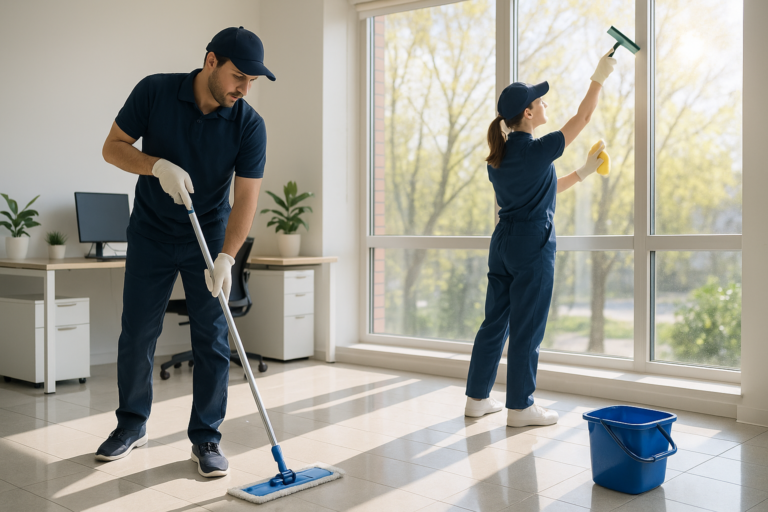
Every surface gets attention: desktops wiped and disinfected, chair legs scrubbed, baseboards dusted, windows cleaned inside, light fixtures wiped down, and walls spot-cleaned. Floors are stripped and recoated if applicable, or deep-cleaned to remove the ground-in dirt that mop-and-bucket routines leave behind.
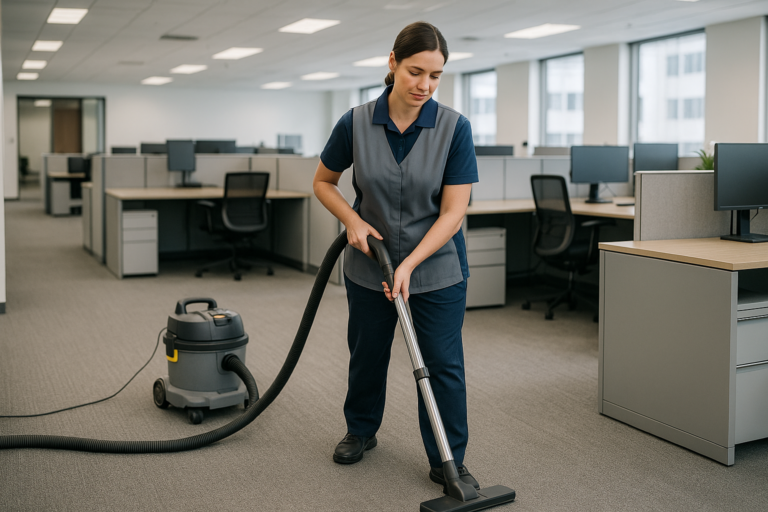
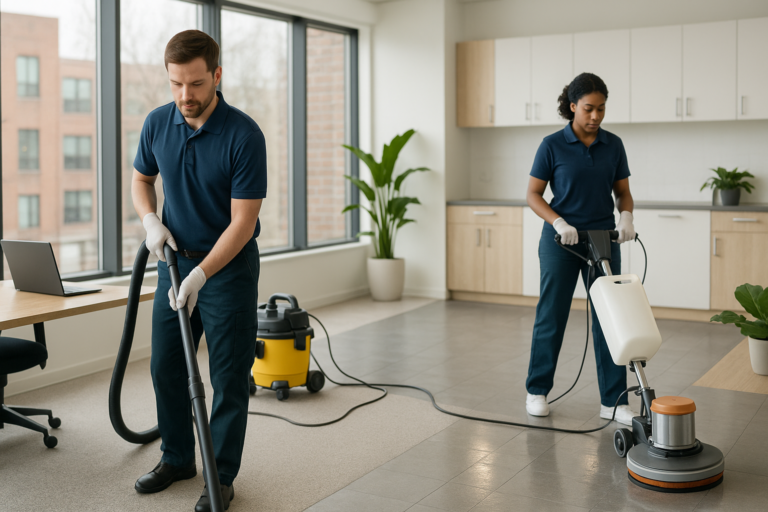
For daycares with carpet or soft play areas, hot-water extraction removes allergens, bacteria, and the grime that accumulates at floor level — where kids spend most of their time.
Restrooms and Changing Areas
High-traffic restrooms in schools are among the hardest surfaces to maintain. A deep clean means:
- Full descaling of toilets, urinals, and sinks
- Grout scrubbing in tile floors
- Disinfecting all dispensers, handles, and flush mechanisms
- Cleaning behind and under fixtures that daily cleaning skips
- Restocking and resetting supplies
For daycares, changing tables get special attention — these surfaces require hospital-grade disinfection protocols, not standard cleaning products. The CDC’s guidance on childcare sanitation is clear: changing surfaces must be disinfected between each use, but they also require deep cleaning that removes biofilm buildup over time.
Cafeterias and Break Rooms
If your school has a cafeteria, summer is the time to deep clean the areas daily service doesn’t reach:
- Underneath and behind equipment
- Hood vents and exhaust systems (if applicable)
- Tile grout on kitchen floors
- Interior of warming cabinets and storage areas
A clean cafeteria isn’t just about aesthetics — it directly impacts food safety and, in Maine’s inspection environment, it affects your compliance status.
Gymnasiums and Common Areas
Gym floors take a beating over the school year. Depending on the finish, they may need refinishing or at minimum a deep scrub to restore the surface. Bleachers, lockers, and equipment storage areas accumulate dust and grime that only gets addressed during these annual deep cleans.
Hallways and common areas get the same treatment: baseboard cleaning, scuff mark removal from walls, thorough floor care, and light fixture attention.
Why This Is Different From What You Do Year-Round
Your regular janitorial service is designed to maintain a baseline level of cleanliness on a daily or weekly schedule. That’s the right approach during the school year. But maintenance cleaning has limits.
Over 10 months of school use, dirt embeds into floors, biofilm builds up in restrooms, allergens accumulate in carpets and soft surfaces, and surfaces that get wiped daily never get truly sanitized at depth. Your regular cleaning crew does excellent work — but they’re working at pace and scope that doesn’t allow for the kind of detail a summer deep clean provides.
Think of it this way: your regular cleaning is like brushing your teeth. The summer deep clean is the dental appointment. Both are necessary. Neither replaces the other.
At Clean Scene Inc, we use EPA-registered disinfectants appropriate for educational settings, and our crew leads are trained specifically on the higher standards that schools and childcare facilities require. We know the difference between a commercial office clean and what a facility with 200 kids needs.
What to Ask When Hiring for Your School Deep Clean
Not every commercial cleaning company has experience with educational settings. Here are the questions to ask:
- Do you have references from other schools or daycares in Maine? Experience matters. Cleaning a school is different from cleaning an office building.
- What disinfectants do you use, and are they EPA-registered for use in childcare settings? This should be a yes with product names. If they can’t answer, move on.
- Can you handle floor stripping and recoating, or do you subcontract that? Many schools need floor work — you want one company that can handle it or coordinate it.
- Will you do a walkthrough before the job? Any reputable company will want to see the facility before quoting. If they quote blind, the number will be wrong.
- What’s your crew size, and how long will it take? A school that’s done in one day probably didn’t get a deep clean. A realistic timeline matters.
Clean Scene serves schools and childcare facilities throughout the Bangor metro area, including Brewer, Orono, Old Town, Hampden, and surrounding communities. We’re happy to do a no-obligation walkthrough and provide a detailed quote — usually within 48 hours of your request.
A Note on Allergens and Air Quality
July is peak pollen season in Maine. If your school uses forced-air HVAC, the filters have been running through birch, grass, and early ragweed season. Dirty filters don’t just reduce air quality — they circulate allergens back into the rooms where kids learn and play.
While a commercial cleaning company isn’t an HVAC service, we do clean vent covers, dust returns, and accessible ductwork surfaces as part of a thorough deep clean. We’ll also flag anything that looks like it needs mechanical attention so you can get the right team in before school starts.
Better air quality on day one means fewer sick kids in week one. That’s worth something.
Schedule Now — Before August Rush
Six weeks sounds like plenty of time. It isn’t. Between booking, walkthrough, scheduling, and the actual work, you’re looking at two to three weeks of lead time for a proper job. That puts you at late July or early August — right when every other school in the region is thinking the same thing.
Don’t wait.
If you’re a school administrator, daycare director, or facility manager in the Bangor, Maine area, contact Clean Scene Inc today for a free walkthrough and quote. We’ll assess your facility, give you a realistic timeline, and lock in a date that works before the summer books up.
Your students — and their parents — will notice the difference on the first day of school. Let’s make sure they notice it for the right reasons.